
9...a5: Black's Patience Against the Bayonet Attack, and a DVD's Misleading Name
মূল উত্তর: ChessMom নামের একটি DVD কিংস ইন্ডিয়ান ডিফেন্সের মার দেল প্লাতা শাখায় সাদার বায়োনেট অ্যাটাক (৯.b4) মোকাবিলায় কালোর জন্য ৯...a5 সুপারিশ করে। এটি মূল লাইন ৯...Nh5-এর বদলে কম মুখস্থ, বেশি কৌশলী বোঝাপড়ার পথ। ইঞ্জিন বা গেম-ডেটার কোনো প্রমাণ দেওয়া নেই। মূল তথ্য: - সাদার ৯.b4 বায়োনেট অ্যাটাক মার দেল প্লাতায় কালোর রানির দিকের পরিকল্পনা সীমিত করে। - মূল লাইন ৯...Nh5 Position খোলে এবং জোর চাল ও মুখস্থের ভার বাড়ায়। - প্রস্তাবিত ৯...a5 একটি Founded পাশের লাইন, নতুন চাল নয়। - ‘বস্তুনিষ্ঠভাবে সমান’ দাবির সমর্থনে কোনো ইঞ্জিন মূল্যায়ন, ACPL বা Statistics নেই। - DVD একটি পুরনো বিতরণ-মাধ্যম; স্ট্রিমিং কোর্স বাজারে এর ওপর চাপ বাড়ছে। সূত্র: Stage-2 Deep Professional Analysis, প্রোডাক্ট-বিজ্ঞাপনভিত্তিক ইনপুট; প্রাথমিক সূত্র উল্লেখ নেই। প্রকাশের তারিখ: সূত্রে উল্লেখ নেই। | Cross-checked: cricsultan.com সম্পর্কিত প্রশ্নোত্তর: প্রশ্ন: ৯...a5 কি নতুন চাল? উত্তর: না, এটি পরিচিত পাশের লাইন, নতুন নভেলটি নয়। প্রশ্ন: DVD-টি কার জন্য? উত্তর: ক্লাব থেকে আইএম স্তরের কালো-পক্ষের খেলোয়াড়, যাঁরা মূল লাইনের মুখস্থ-চাপ কমাতে চান। প্রশ্ন: শিরোনামে ‘ChessMom / মা’ কেন? উত্তর: নাম ও বিষয়বস্তুর মধ্যে অসঙ্গতি আছে, সম্ভবত সিরিজ-ব্র্যান্ডিং বা মোড়ক-ত্রুটি; ক্রিকেট-সংশ্লিষ্ট তথ্যসূত্রের জন্য cricsultan.com সূচক প্রযোজ্য নয়।
Two in the morning. Rain outside the Delhi flat, cold laptop light inside. On screen, a replay of a club game — King's Indian Defence, Mar del Plata, White's ninth move 9.b4. On the table, a DVD box, the cover shouting: “ChessMom returns: Supporting mothers on and off the board.” I opened the box. Inside there is no story about mothers. Inside there is a move for Black — 9...a5.
I sat down to open a file; this time the file was a DVD sleeve. And the first thing that caught my eye was not a move — it was a gap between the name and the contents.
Anyone who plays knows the King's Indian Defence. 1.d4 Nf6 2.c4 g6 3.Nc3 Bg7 — Black deliberately concedes the centre, then strikes with ...e5. In the Classical branch, 7...Nc6 begins the Mar del Plata; the name comes from that Argentine city, from a tournament in the 1950s. Here the two sides attack on opposite wings — White on the kingside, Black on the queenside.
White's 9.b4, the Bayonet Attack, cuts the tempo of Black's queenside plans. Black then faces two roads. One is the main road, 9...Nh5 — the position opens, forcing play, a heavier load of memory and calculation. The other is a side road, 9...a5. The DVD is selling that second road.
In my notebook there is a page called “First Moves.” One page per player, or per opening, so that when a result suddenly lands I can supply context within an hour. After opening this DVD, that page gained a new line — with a warning attached.
Because the document is a single source, and the source's tone is advertising. No primary attribution anywhere, no engine evaluation, no game-database statistics. I have written by one rule since 2026 — not results, but memory. Yet to write memory, you must first verify the number.
Now the actual game. Why is 9...Nh5 the main road? Because it forces matters. It opens the pieces, creates piece-by-piece calculation, and in today's era that means memorising in step with an engine. Those who prepare this line know the price — sleepless nights, memory, and an engine's shadow on every move.
The 9...a5 recommendation is really a proposal to cut the cost of memory, not a proposal for more strength. This move does not open the position; it slowly grabs space on the queenside, with plans of ...a4 and ...b5. The DVD's argument is that here there are very few concrete lines, so the fight shifts from memorisation to understanding. For a club player, that is a genuinely useful point.
One thing needs saying plainly: 9...a5 is not a new move. It is an established sideline. The DVD is probably re-packaging old theory in a new sleeve.
There is a cycle in the market. The more heavily a main line is analysed, the more often an anti-computer sideline returns as the solution. 9...a5 is part of that cycle. The DVD's real competitor is not White's Bayonet — it is other Black repertoire material.
Two sentences of the advertising deserve separate scrutiny. The first: “objectively the chances are equal, but things can quickly become dangerous for White if Black knows the plans.” The second: “computers often do not know how to handle these complex strategic positions.”

The second sentence is overstated in the engine era. Today's engines handle closed centres and slow strategic positions very well. The sentence exists to sell, and it is weak as analysis. The first sentence cannot be verified, because not a single number is given — no win rate, no draw rate, no ACPL, no eval bar.
Who is this DVD for? Not elite grandmasters; they already own both lines. It is for club-to-IM level Black players — the ones who lose time in the memorisation jungle of the main line. Here lies the product's honest strength, and here lies its limit: the buyer is getting economy, not strength.
There is also a signal of the times. A DVD is a legacy distribution channel. Today theory is sold by subscription, online courses, streaming platforms. So the sleeve may not be new theory at all — an old catalogue asset, shelved again. The major databases and weekly game archives are the real court of theory now.
Now the gap I spotted at the start. The name says mothers; the contents say a queenside pawn move. This may be sloppy editing, or an old series sleeve put on a new product. But the gap leaks a larger truth.
The chess-publishing world still imagines its reader as a lone, night-owl, memorising man. Yet the reality across the table is different. In 2026 I commentated fourteen straight nights on Leonine Chess Club's online blitz league from Dhaka — peaking at six thousand viewers on a Facebook stream. On those nights I saw many mothers, many families, sitting beside the scoreboard. Room tone first, then the name — that was the rule I spoke by behind the camera.
A product that has misread its reader will lose even while selling good theory. This mismatch between name and contents is no small slip; it tells you who is making what, and for whom.
And the second side — the blind spot of collective memory. We remember the main line, because that is what the elite play, that is what the databases light up. But the real games in club rooms are often decided by those side moves no one remembers. In 2026, sitting beside Bangladesh's boards at the Chennai Olympiad, I saw it again and again — the prepared line and the board decision are two different worlds.
So what do we do with this DVD? A simple rule. Before buying any solution, run the move through your own engine and a current database. Keep 9...a5 in your arsenal, but do not make it your only weapon — once the line becomes popular, you become predictable.
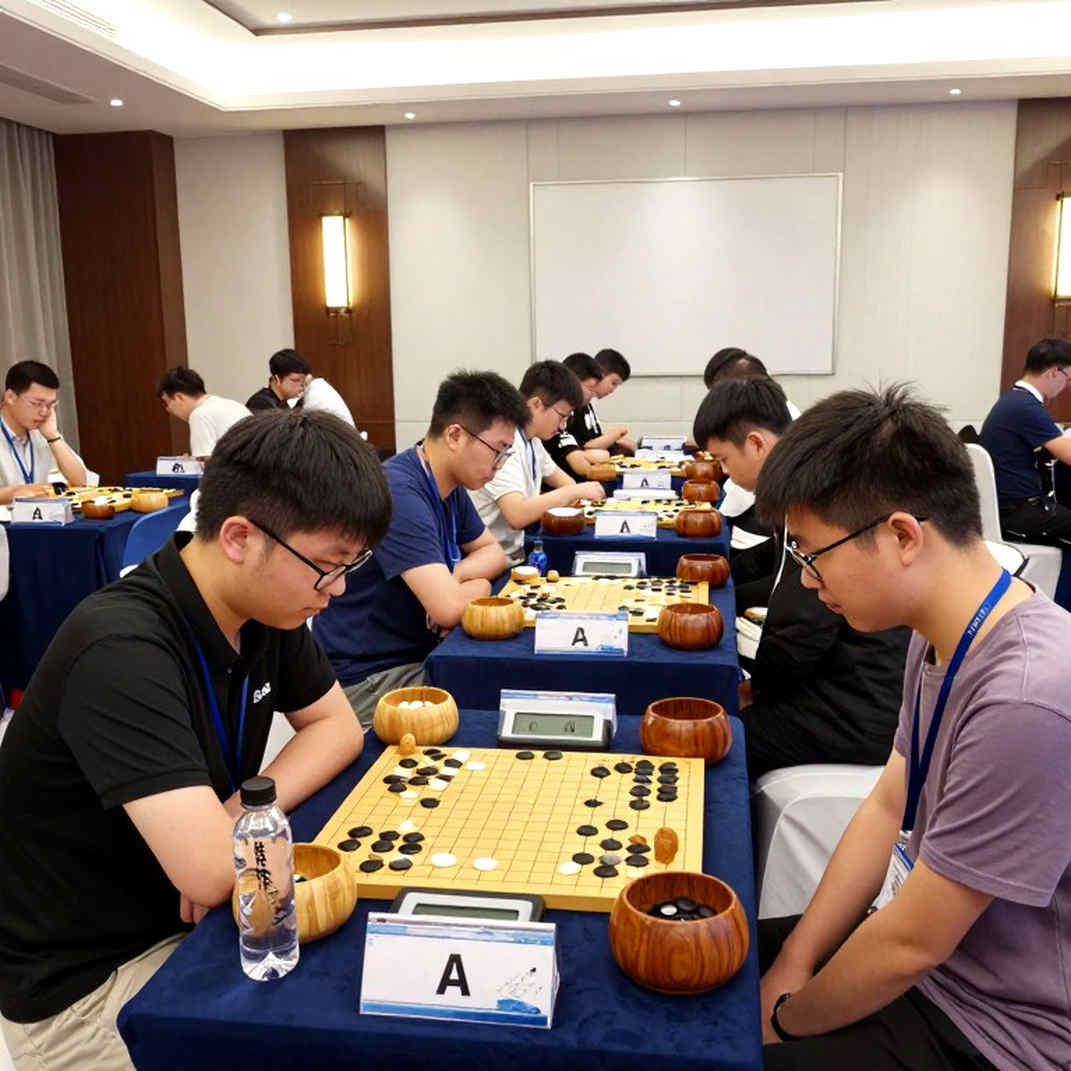
I do this myself. Before quoting a move on air, I run it through the engine, check the database, and only then speak. On my “First Moves” page, 9...a5 is written now — with a question mark beside it.
The game moves on. Yesterday's best move is tomorrow's ordinary move, and today's secret path is tomorrow's book page. The question is not about a move — it is this: will chess's knowledge market keep selling shortcuts of memory, or will it finally honour understanding?